Thinking about starting a hoarding cleanup in Minneapolis? It can feel like a huge task, but breaking it down into manageable steps makes things a lot less overwhelming. Safety is key for you and anyone helping out. Let’s walk through what you need to know to get started on the right foot.
Take a Good Look Around First
Before you dive in, take some time to really assess the situation. Here is what you should do:
- Walk through the space if it is safe and notice trouble spots blocked exits, piles that could topple, or anything that looks risky.
- Check for hazards like mold, pests, or structural issues. These can sneak up on you!
- Understand that emotions run high. Hoarding is often tied to strong feelings and memories. Approach with patience and kindness it really makes a difference.
- Reach out for support. Do not hesitate to contact local mental health services or hoarding removal experts in Minneapolis for advice and encouragement.
Pro Tip: Take photos or jot down notes so you can make a solid plan before bringing in the cleaning supplies.
Gear Up and Make a Safety Plan
Safety first, always! Here is your checklist:
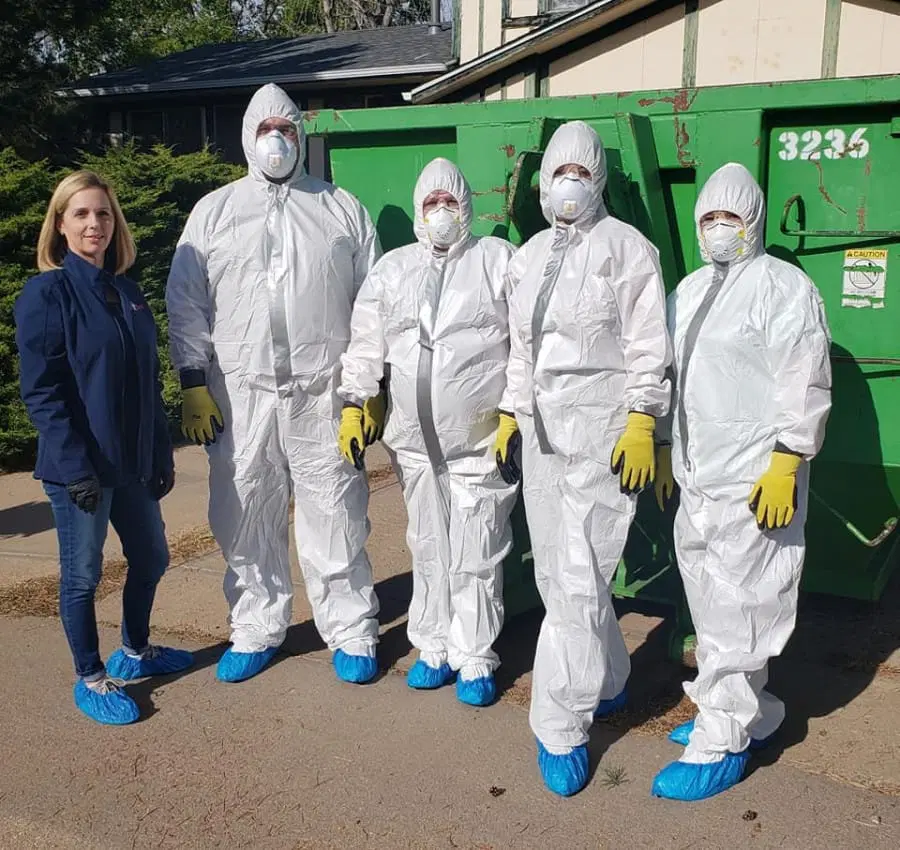
- Protect yourself: Gloves, masks, goggles, and sturdy clothing are a must.
- Have a first aid kit handy and keep emergency contacts close by.
- Plan your entry and exit routes. Make sure everyone knows how to get out quickly if needed.
- Gather your tools: Trash bags, boxes, cleaning supplies, and any protective gear.
- Set up communication: If you are working with others, make sure everyone knows who to call or what to do if something goes wrong.
Check for Permits and Notify the Right People
Did you know Minneapolis might require permits for big cleanups? Here is what to do:
- Contact the city or county offices to see if you need a permit especially for large debris or hazardous materials.
- Notify waste management and health departments if you are dealing with anything risky like chemicals or biohazards.
- Get paperwork sorted out ahead of time to avoid delays or fines.
Quick Tip: Following the rules keeps you out of trouble and shows respect for your neighborhood.
Do not Be Afraid to Call in the Pros
Some hoarding situations can get pretty intense. If you are feeling overwhelmed or unsafe:
- Hire a professional cleanup crew. They know how to handle hazardous materials and tricky situations.
- Pros can also help with organizing and ongoing maintenance so you are not left in the lurch after the initial cleanup.
- It is totally okay to ask for help. Your safety and well-being come first!
Set Boundaries and Communicate Clearly
This is important for everyone’s comfort and safety:
Define What is In and Out
- Decide which rooms or areas you will tackle and which are off-limits at least for now.
- Make a list of what stays, what goes, and what needs special attention.
Keep Talking
- Stay open and honest with everyone involved whether that is family, friends, or professionals.
- Listen to concerns, answer questions, and be ready to compromise when emotions run high.
Remove Immediate Hazards
Before getting into the deep cleaning, focus on obvious dangers:
- Sharp objects: Broken glass, nails, or anything that could cut use thick gloves and place in sturdy containers.
- Toxic substances: If you spot chemicals, mold, or unknown liquids, wear protective gear and do not handle them unless you know it is safe. When in doubt, call a professional.
- Fire hazards: Clear out flammable materials, check for overloaded outlets, and make sure exits are not blocked.
Sort Through Items One Pile at a Time
This part can feel daunting, but breaking it down helps:
- Make four piles: Keep, Donate, Recycle, Discard.
- Be careful with fragile items and give yourself and anyone helping permission to take breaks it can get emotional.
- Special items like electronics or chemicals: Check Minneapolis guidelines for safe disposal.
Clean and Sanitize Everything
Once the clutter’s out, it is time to make the space livable:
- Scrub all surfaces: Floors, walls, countertops you name it.
- Disinfect high-touch spots: Doorknobs, switches, handles.
- Ventilate the space: Open windows and let fresh air in.
- Wear gloves and masks to protect yourself from dust and mold.
Set Up Prevention and Support for the Future
You have done the hard work now keep things on track:
- Build a support network: Stay connected with friends, family, or support groups.
- Create simple routines: Regular cleaning and organizing helps keep clutter from piling up again.
- Do not be afraid to ask for help: Whether it is emotional support or a hand with maintenance, you do not have to do it alone.
Final Thoughts
Hoarding cleanups can be challenging, but taking things step by step and making safety your priority sets you up for success. Remember, it is not just about clearing out stuff, but also about creating a healthier, safer home for everyone involved. And at any point, you can reach out for professional help or community resources in Minneapolis. You have got this!
Categories: Home
